In the first decade of the digital age, the rule was simple: Be Visible or Perish. However, in the world of 2025, where noise has become a business model and attention has turned into the scarcest resource, the pendulum has swung back. Bain & Company’s November 2025 report officially declares the “Era of Price Elevation” closed in the luxury world. The stabilization of the market at the €358 billion level and the withdrawal of the “aspirational” customer in the middle segment demonstrate this: Growing simply by changing the price tag is no longer possible. Noisy growth is over; the era of deepening has begun. Today’s luxury, therefore, requires a conscious silence. This is not a retreat; it is strategic filtering.
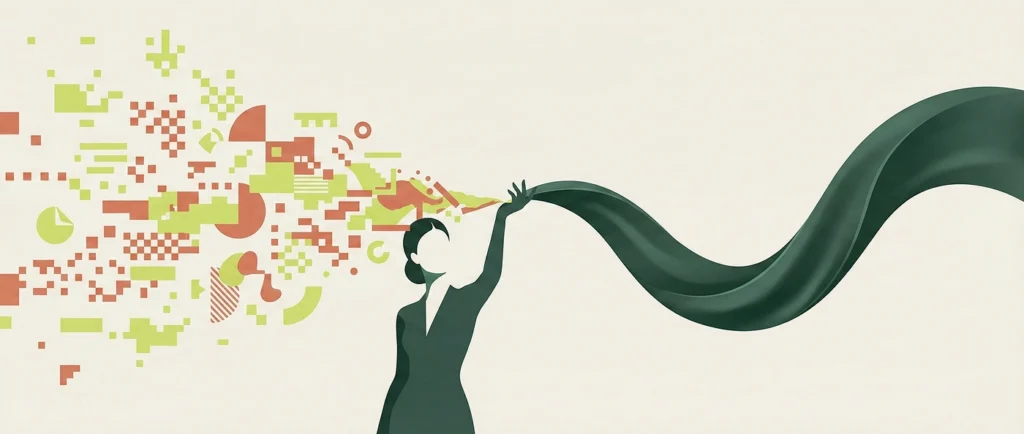
This silence is a position of power where the brand consciously chooses to whom, when, and how much it will be visible.
In today’s retail landscape, knowing only “what the customer wears” suffices no longer. We must recognize that they now allocate their budgets not just to a product, but to their personal “well-being” and to “longevity.” This is the most striking finding of the State of Fashion 2026 report published by McKinsey and BoF in November 2025: For industry leaders, the period of “uncertainty” is over; “constant change” is now accepted as the new normal.
As the report indicates; in this “Challenging New Reality” where consumers have radically changed their spending habits, the future will belong not just to those who sell products, but to those who transform “agility” into a cultural stance and “data” into a trust contract.
As MARQORA, we analyze this massive tectonic shift in the global luxury market along three main axes.
I. THE INVISIBLE THREAD: THE TRUST ECONOMY
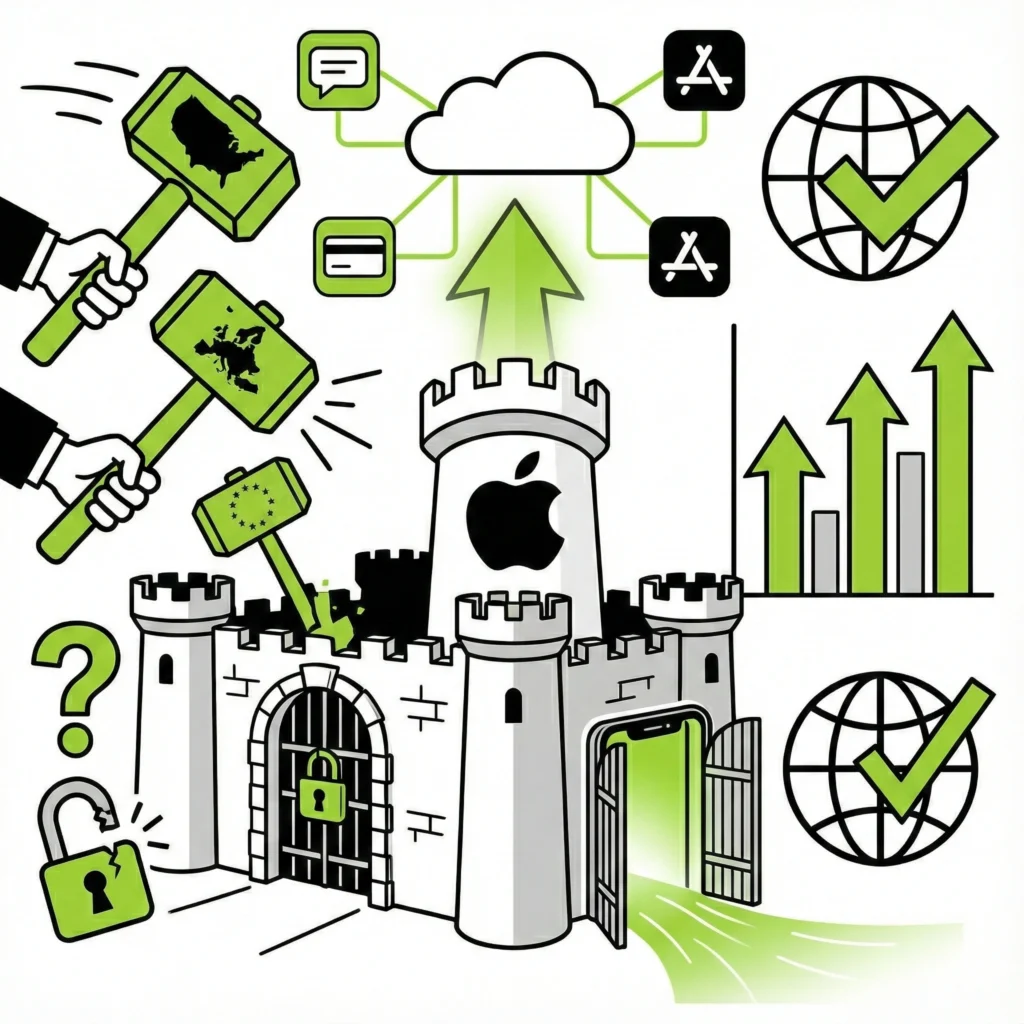
For years in luxury retail, “customer experience” was mistaken for stalking the customer like a digital shadow. However, the new AI architecture pioneered by Apple with “Private Cloud Compute,” which processes data without it ever leaving the device, has redefined the standards of luxury as well. True luxury today is not about collecting data; it is the luxury of being able to ignore it. Today, Hermès is the bastion of this stance. As Executive Chairman Axel Dumas clearly stated in his manifesto within the 2024 annual report: “In a world of algorithms driven by technological acceleration, humanity resists.“ For Hermès, craftsmanship serves as a protective shield against digital velocity. The customer is no longer just paying for the product; they are paying for this “human resistance” displayed by the brand against digital noise—for that pure emotion it preserves.
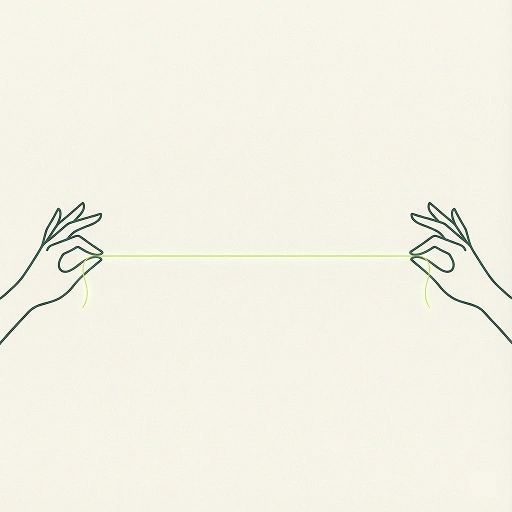
On the global stage, Kering Group positions technology not as a “tracking device,” but as a vehicle for “desire management.” Within the “Integrated Model” framework defined in Kering’s strategy documents, Data Science and CRM are utilized not to bombard the customer, but to do the exact opposite: to preserve the brands’ “Exclusive Status” and keep “Desirability” alive. Here, data is processed silently not to generate noise, but to transform the brand—in their own words—from a mere seller into a “Source of Emotion and Inspiration.”
In the new order, transparency is the ultimate luxury. Brands are obliged to explain how they collect and process data not through the convoluted language of “user agreements,” but with a stance that inspires trust. Because the consumer is no longer paying solely for the quality of the product, but also for the brand’s “ethical backbone.” When that invisible thread between consumer and brand snaps, no marketing budget can re-tie that bond.
This approach is not exclusive to fashion houses. Recently, Rolex’s insistence on maintaining a model that keeps digital traces to a minimum in customer data and after-sales relations, while centering on human contact, reveals that the concept of “quiet trust” is a timeless demonstration of power. For Rolex, prestige stems not from visibility, but from control, continuity, and measured distance.
II. BRAND ELEVATION: THE BRAND’S PERCEPTUAL RENAISSANCE
If data is the rational facet of the business, aesthetics is the emotional one. A brand’s survival hinges on how frequently and accurately it executes its own “reinvention.”
According to Bain data, the “post-Covid froth” has dissipated, leaving behind only a core audience that is values-led and seeking experiences. The operation undertaken to reach this audience is no longer merely termed a “new collection”; it is an imperative of “Brand Elevation.” For where price competition ends, the competition for meaning begins. Much like the transformation Loewe underwent under the direction of Jonathan Anderson. A 170-year-old leather brand transformed itself into a “cultural institution” not merely by designing garments, but through art, craftsmanship, and visual storytelling. The product remained the same (the leather bag), yet its surrounding “aura”—that is, its perceptual value architecture—changed completely.

A similar “quiet revolution” is taking place at Brunello Cucinelli. Here, however, aesthetics is not merely a design language; it is the embodiment of “Humanistic Capitalism,” precisely as Cucinelli recounted to G20 leaders. The brand’s fundamental strategy rests upon its founder’s principle: “making profit, but without harming humanity and Creation.“

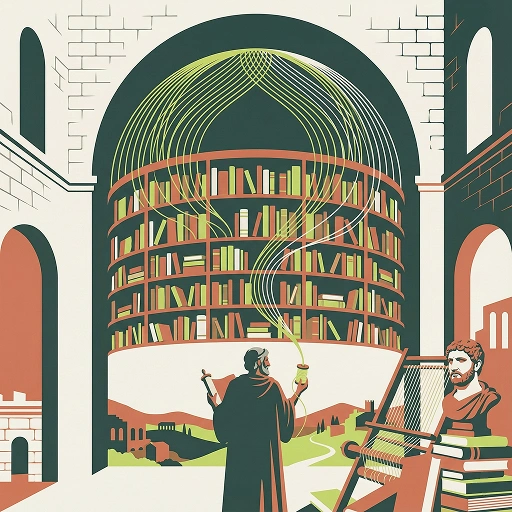
The universe Cucinelli built in Solomeo and the libraries he defines as “Granaries of the Soul” have elevated the brand from a mere luxury manufacturer, transforming it into a “guardian of cultural heritage,” much like Emperor Hadrian. For Cucinelli, true luxury is not the product in the shop window, but that delicate balance established between technology and humanism.
So, where does Artificial Intelligence (AI) fit into this “artistic” equation?
Geleneksel pazarlamada AI bir satış temsilcisidir; ancak 2025’in lüks dünyasında AI, bir “Gatekeeper” (Eşik Bekçisi) rolü üstlenmek zorundadır. C-Level yöneticiler, kreatif liderler ve modern şehirliler artık “daha fazla seçenek” istemiyor; onlar gürültünün kısılmasını talep ediyor.
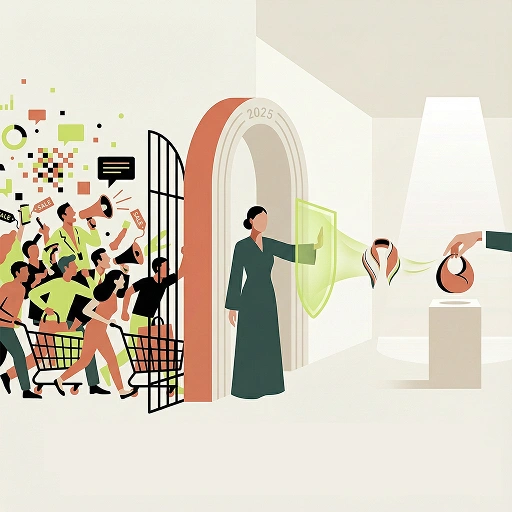
In traditional marketing, AI is a sales representative; however, in the luxury world of 2025, AI must assume the role of a “Gatekeeper.” C-Level executives, creative leaders, and modern urbanites no longer desire “more options”; they demand that the noise be turned down.
Viewed through the MARQORA vision, AI is not a “filter,” but a “shield”; it is a digital curator that protects you from trillions of data points and irrelevant recommendations, presenting only what aligns with your current mood and aesthetic codes. As underlined by the Bain report; the greatest challenge facing brands is managing rising operational costs without compromising the product’s “desirability.” This is where AI steps in. AI is a digital curator that manages the background chaos without disrupting the brand’s magic, working not to be visible, but to protect the brand’s “aura.”

III. SILENCE AND SIGNALS: THE “CURATED” LIFE
In a digital world where everyone is shouting, it is the whisperers who command attention. Bottega Veneta’s retreat into “silence” by closing its social media accounts was, in fact, a massive “digital signal.” This was the most sophisticated way of declaring: “We will find you; there is no need for you to seek us out.”
A similar iteration of this strategy is employed by Porsche in a significantly more corporate context. By preferring context over volume in its digital communication, the brand elects to appear to the right audience at the precise moment, rather than speaking to everyone. This demonstrates that silence is not merely an aesthetic; it is an instrument of power engineered with precision.
The modern consumer (C-Level executives, creative leaders, modern urbanites) is fatigued by the abundance of choice. They do not desire “more”; they demand “better” and “bespoke.”

Here, Artificial Intelligence (AI) must behave not like a sales representative, but like a “Personal Concierge” who has known you for years, one that even accurately reads your contextual mood of the day.
It must shield you from unnecessary noise (Data Privacy). It must present only what suits you best (Visual Curation). This is the point where algorithms become humanized.
Conclusion: Silence Is Not an Aesthetic, It Is a Form of Power
The new luxury lies not in collecting more data, but in knowing when not to touch the right data. The new brand power lies not in speaking more, but in the ability to choose with whom, when, and how much to speak.
Data is a raw material. Aesthetics is a language. Trust is the singular architecture that upholds it all.
Silence is no longer a void; it is a well-designed strategy. And who successfully constructs this strategy will determine the winners of the next decade.