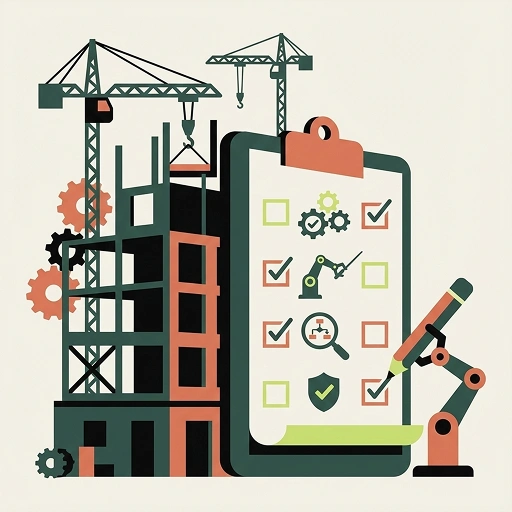
We have been talking about “digital transformation” in the marketing world for years. However, what we are facing today is not merely integrating new tools into old processes. We are facing an era of “The Great Rebuild,” which is altering the very DNA of organizational structure.
The question is no longer “How do we use AI?”; it is “How do we structure an organization that runs on AI from the ground up?”
1. From Hierarchy to “Archipelagos”: Structural Transformation
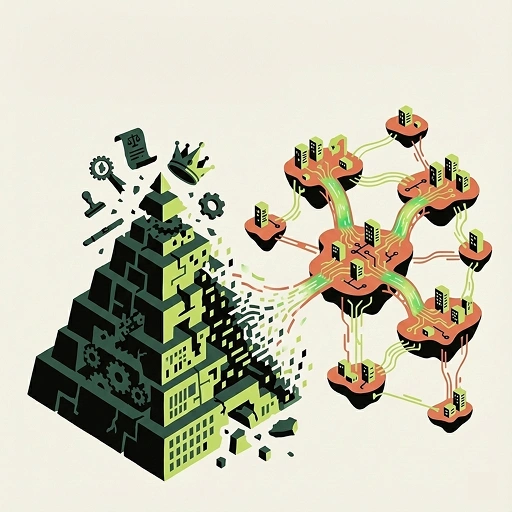
Traditional marketing departments usually exist in silos: The social media team is separate, the data team is separate, and the creative team is separate. However, AI is tearing down these walls. According to Deloitte’s research, future technology and marketing organizations are shifting from working on a “project” basis to a “product” and “value stream” basis.
In this new model, hierarchical layers are diminishing. Instead, cross-functional “squads” (small, agile teams) are being established where human intelligence and AI “agents” are intertwined. For instance, thanks to platforms like “Swivel,” which take on the burden of manual reporting and analysis in ad operations (AdOps), teams can free themselves from repetitive tasks and focus on strategic decisions.
2. “Agentic” Workforce and New Roles
There is now a place in the organizational chart not only for humans but also for autonomous AI agents.
Virtual Brand Representatives: Startups like “Firsthand” are developing virtual “brand agents” that know brand goals and consumer preferences. These agents can offer consumers personalized, “choose your own adventure” style advertising experiences.

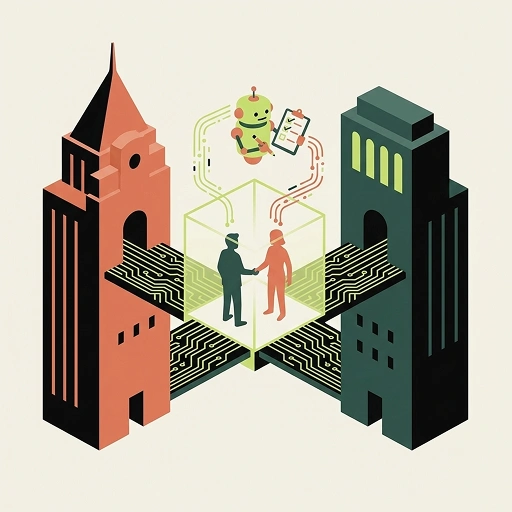
Communication Bridges: To resolve communication disconnects in media buying processes, platforms like “Medialive” bring buyer and seller sides together in a single digital room; AI analyzes the conversations in this room and creates to-do lists for both parties.
This situation is also altering human roles. Deloitte predicts that one of the most critical roles of the future will be “Human-AI Collaboration Designers.” Marketers are no longer expected to merely manage campaigns, but to act as conductors who “manage and supervise” AI agents.
This situation is also altering human roles. Deloitte predicts that one of the most critical roles of the future will be “Human-AI Collaboration Designers.” Marketers are no longer expected to merely manage campaigns, but to act as conductors who “manage and supervise” AI agents.
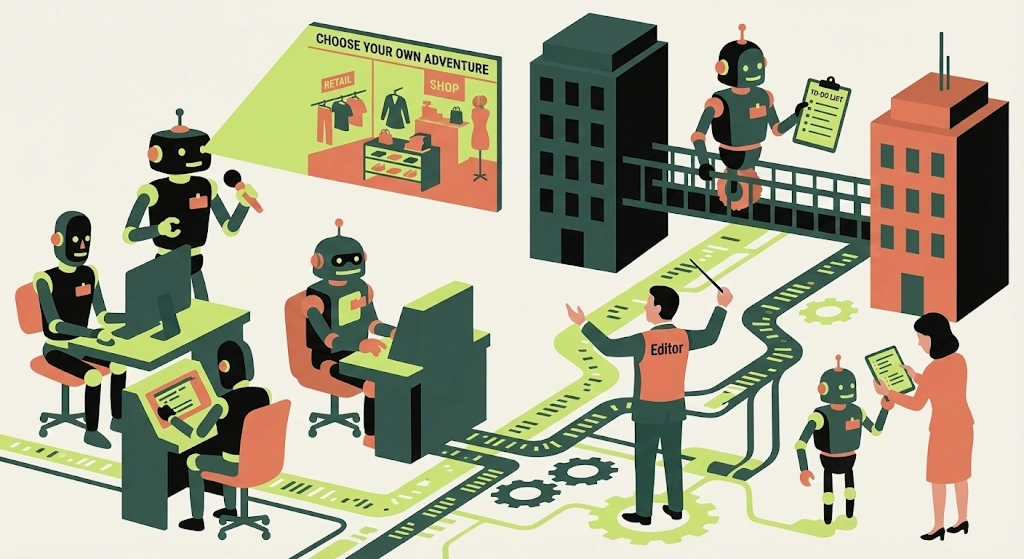
This transformation brings with it a fundamental shift in the employee profile. The duty of a ‘junior’ level employee is evolving from pure production to becoming an ‘editor’ who reviews what the AI generates. In the organization of the future, the most valuable skill will not be technical production (craft), but the ability to accurately evaluate AI output—namely, the faculty of “Judgment.”
3. Shift from Fragmented Data to a “Central Nervous System”
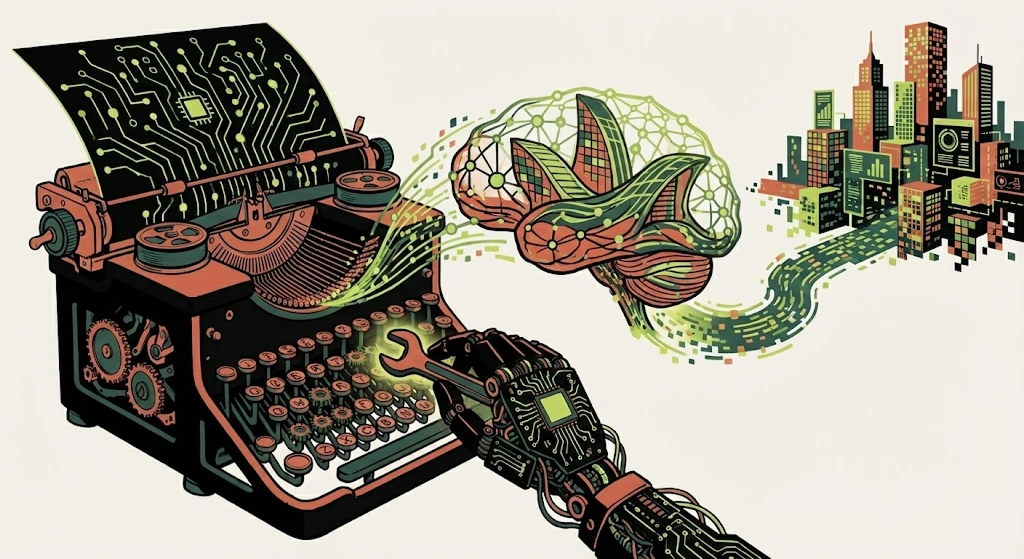
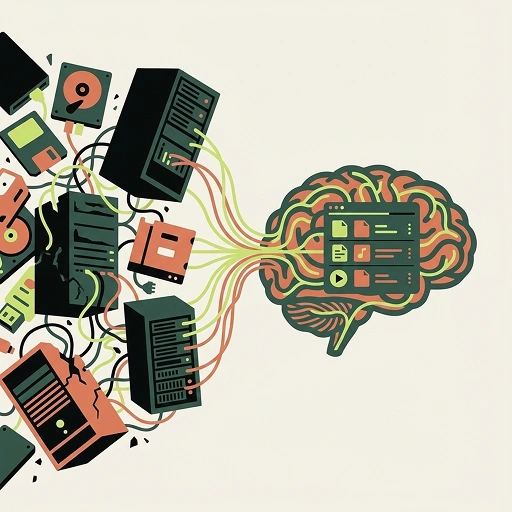
Historically, marketing organizations required large IT teams and complex infrastructures to process data. Today, however, the goal is to make data as easily accessible as a “Spotify playlist.” Startups like “Adaly” are building a “nervous system” that pulls and analyzes data from various sources (Google Analytics, Trade Desk, etc.) without the need to download it.
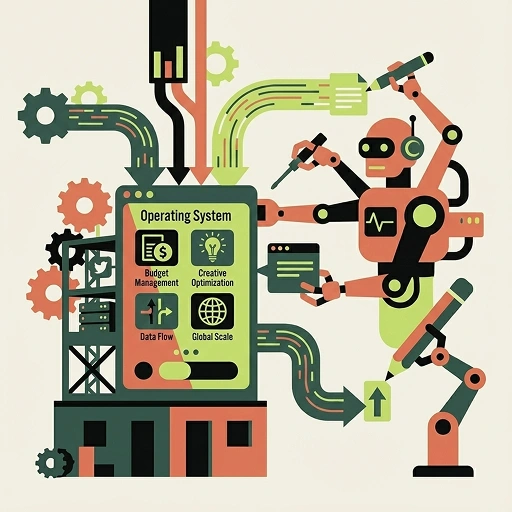
Similarly, platforms like “Fluency” are centralizing digital advertising operations with a single “Operating System” (OS) logic. In this way, brands can scale their operations without hiring endless staff or relying heavily on outsourcing. The goal is to reduce the time spent processing data and slash the time required to extract insights down to milliseconds. Recently cementing this vision with a $40 million Series A investment, Fluency positions itself not just as a tool, but as the ultimate ‘System of Record.’ The ‘Agentic AI’ capabilities developed by the platform act as a ‘digital workforce multiplier,’ autonomizing the most arduous processes—from complex budget management to dynamic creative changes. Setting out with the goal of managing 10% of global ad spend, this structure transforms the chaos created by fragmented systems into a scalable order managed from a single center.
This level of centralization and automation of operations is also redefining the use of outsourcing (agencies). Brands are now starting to demand ‘strategic brains’ to feed this central nervous system, rather than renting ‘operational hands’ from agencies. The agency-client relationship is transforming from a service provider model into a true integration partnership.
4. The New Definition of Leadership: “Chief Integration Officer”
The boundaries between marketing and technology leaders (CMOs and CIOs) are dissolving. CIOs are no longer responsible solely for infrastructure; they are also becoming “AI Evangelists” and “Chief Integration Officers.”
The duty of leaders is no longer to maintain the status quo, but to instill an “Always Beta” mindset into the culture. Because even if technology were to freeze today, what can be achieved with current AI capabilities is at a miraculous level, and there is no time to wait.
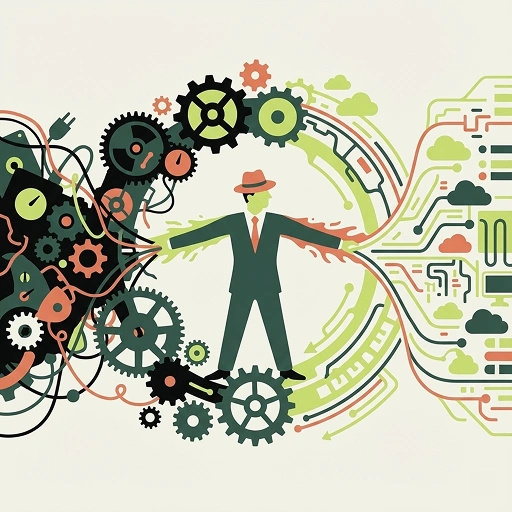
Amidst all this technological integration, the most critical test for a leader is managing cultural resistance. It is necessary to transform the employees’ fear of “Will a machine take my place?“ into the awareness that “AI will not take my place, but someone using AI will.” Leaders must position artificial intelligence not as a rival, but as an “exoskeleton” that enhances the employee’s capabilities.
The restructuring of the brand organization does not mean removing humans from the equation. On the contrary, the winners of the future will be those who best blend human creativity with machine speed.
In the industry, the development of standards like the “Ad Context Protocol” (AdCP), which allows AI agents to communicate with each other, indicates that this collaboration will become standardized not only within the company but across the entire ecosystem.
5. Preparation Checklist for the Rebuild:
What percentage of your data sources can communicate with each other?
How many people on your team do not merely use AI tools, but ‘orchestrate’ them?
Have you created an inventory of repetitive tasks and identified which ones can be delegated to autonomous agents?
Are your brand safety protocols suitable for supervising AI agents?
The Great Rebuild has begun. How ready is your organization’s foundation for this shift?